Understanding Cyzmic CS: Application, Safety, and Strategic Pest Control for Yard Ticks
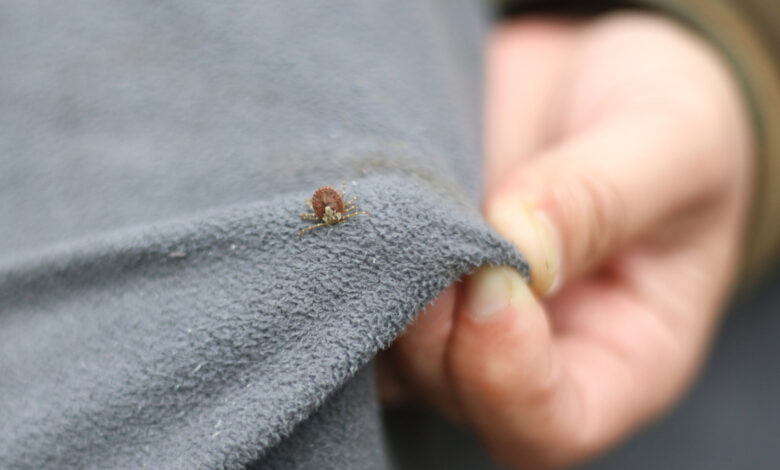
Managing pests around a home often requires moving beyond preventive gardening techniques when tick populations begin to rise. While natural strategies—such as establishing barrier plantings of tick-repelling flora—can offer a baseline defense, they frequently prove insufficient during peak pest seasons or in heavily wooded regions. Ticks pose serious health risks to humans and domestic animals due to their ability to transmit pathogens, making effective control a priority for property owners. For those seeking a liquid chemical intervention, Cyzmic CS has emerged as a widely utilized option. Designed as a broad-spectrum insecticide, the product offers long-lasting outdoor management against ticks and a variety of other invasive household and garden pests.
Evaluating Cyzmic CS involves understanding its chemical makeup, its unique delivery mechanism, proper application protocols, and the crucial safety trade-offs associated with synthetic chemical treatments. Balancing pest reduction against environmental and household safety requires a clear look at how this compound operates in real-world outdoor settings.
Chemical Composition and the Role of Microencapsulation
The core active component in Cyzmic CS is Lambda-cyhalothrin, present at a concentration just below 10 percent. Lambda-cyhalothrin is a synthetic pyrethroid known for its fast-acting knock-down effect on insects. What sets Cyzmic CS apart from basic liquid formulations is its microencapsulated delivery system. The chemical is encased in protective microscopic capsules that break down gradually when exposed to sunlight, moisture, and ambient environmental conditions.
This controlled-release technology addresses a major challenge in outdoor pest management: rapid chemical degradation caused by sunlight and rain. Rather than breaking down immediately upon application, the microcapsules release the active chemical over an extended period. While manufacturers typically recommend reapplication every 21 to 30 days to maintain a continuous defense, residual activity can sometimes extend for several months depending on soil conditions, shade, and weather patterns.
Because Cyzmic CS is a broad-spectrum formulation, its utility extends far beyond tick management. It targets pests across multiple stages of their life cycle—from larvae to adults—including:
- Ticks and fleas carried into yards by wild animals or pets
- Mosquitoes harboring in dense perimeter foliage
- Crawling insects such as ants, cockroaches, and spiders
- Nuisance flies aggregating around exterior structures
While Cyzmic CS is broadly approved for residential and commercial use across the United States, regulatory oversight varies by jurisdiction. States such as New York and New Hampshire place specific restrictions on its distribution and application, reflecting localized environmental standards and chemical management policies.
Perimeter Application Strategy and Environmental Timing
Achieving effective perimeter protection with Cyzmic CS requires precise mixing and tactical placement. Spraying indiscriminately across an entire lawn is inefficient and increases ecological risks. Instead, pest management guidelines emphasize creating a continuous barrier around structural foundations and property lines.
Successful application begins with monitoring weather conditions. Applicators should select a calm day with virtually no wind to prevent chemical drift onto non-target areas. Additionally, the target surface must remain dry, with no rain forecast for at least 24 hours prior to application and 24 hours following treatment. This dry window ensures the liquid sets correctly and adheres to outdoor surfaces without being washed into groundwater systems.
Personal protection is mandatory during preparation and spraying. Applicators should wear comprehensive protective gear, including closed-toe shoes, socks, long pants, a long-sleeved shirt, and chemical-resistant gloves to minimize skin contact and inhalation risks.
The typical dilution ratio ranges between 0.2 and 0.8 fluid ounces of concentrated liquid per gallon of water, adjusted based on the target pest and severity of the infestation. Once diluted, the mixture is applied to key structural areas:
- Foundation Treatment: A continuous band applied 3 feet upward on exterior walls and 3 feet outward on the soil or grass immediately surrounding the foundation.
- Entry Points: Targeted applications around exterior doors, window frames, utility line penetrations, and ventilation grates where crawling insects enter buildings.
- Landscape Borders: Light perimeter spraying along property lines and dense ornamental shrubs where ticks typically harbor.
Applicators must avoid spraying non-absorbent, smooth surfaces such as concrete driveways, stone patios, or brick walkways, where the liquid cannot penetrate and is prone to runoff. Furthermore, spraying near natural water bodies—including wells, ponds, streams, and storm drains—is strictly prohibited to prevent environmental contamination.
Summary of Operational Parameters
The operational guidelines and safety constraints associated with Cyzmic CS applications are summarized below for clear technical reference:
| Operational Parameter | Specification or Requirement |
|---|---|
| Active Ingredient | Lambda-cyhalothrin (9.7% concentration) |
| Formulation Type | Microencapsulated liquid suspension (CS) |
| Recommended Mixing Ratio | 0.2 to 0.8 fl. oz. per gallon of water |
| Foundation Spray Zone | 3 feet up exterior wall; 3 feet out on soil/turf |
| Typical Reapplication Schedule | Every 21 to 30 days during active pest season |
| Required Application Weather | Zero wind; 24-hour dry window before and after spray |
| Regulatory Restrictions | Restricted use in New York and New Hampshire |
Health, Safety, and Structural Considerations
While Cyzmic CS is highly effective against hard-to-kill pests, its potent active ingredient presents toxicity hazards that require careful management around residential areas. The primary danger to humans and domestic pets occurs while the spray remains wet. Children and animals must be kept entirely clear of treated zones until the liquid has completely dried, which usually takes several hours depending on humidity and ambient temperature.
Even after drying, the microcapsules leave a residual film on treated surfaces. While safer than the liquid state, this residue still presents risks if ingested. Consequently, Cyzmic CS should never be applied near edible vegetable gardens, fruit trees, outdoor food preparation areas, or pet feeding stations. In jurisdictions with strict chemical safety protocols, such as New York, state rules explicitly prohibit applying the chemical near animal feeding troughs and require non-essential personnel and bystanders to remain at least 33 feet away during spraying operations—a prudent distance for home applicators anywhere to adopt.
Indoors, the label allows for spot treatments along baseboards and structural cracks. However, indoor usage carries added cautions. In enclosed spaces with limited ventilation, lingering residue can affect indoor air quality and increase cumulative exposure risks for residents over time. For general indoor pest control, non-chemical traps or localized baits often present a lower risk profile.
In cases of accidental exposure—whether through skin contact, eye splashing, inhalation, or ingestion—immediate medical attention or contact with a local poison control center is necessary. Promptly flushing affected areas with clean water is the standard initial emergency step while seeking medical guidance.
Environmental Impact and Alternative Strategies
The main drawback of broad-spectrum synthetic pesticides like Cyzmic CS is their lack of target selectivity. Lambda-cyhalothrin does not distinguish between pest species like ticks or mosquitoes and beneficial insects that support healthy ecosystems. Honeybees, wild solitary bees, butterflies, and predatory insects can be harmed or killed upon contacting treated foliage or wet chemical residue.
Furthermore, the chemical is toxic to aquatic life, including fish and aquatic invertebrates, as well as terrestrial mammals exposed to concentrated wet applications. Small runoff events from heavy rain falling too soon after application can carry the active compound into local waterways, disrupting aquatic habitats.
For homeowners who wish to maintain effective pest defense while minimizing risks to beneficial pollinators and aquatic systems, Integrated Pest Management (IPM) provides alternative pathways. Professional exterminators often recommend starting with target-specific organic or biological solutions, such as:
- Pyrethrins: Botanical compounds derived from chrysanthemum flowers that break down rapidly in sunlight, reducing long-term environmental persistence.
- Insect Growth Regulators (IGRs): Specialized compounds that disrupt the juvenile development stages of pests, preventing them from maturing or reproducing without presenting high acute toxicity to adult beneficial insects.
- Vegetation Management: Keeping lawn turf mowed short, clearing leaf litter along wooded borders, and cutting back overhanging branches to reduce high-humidity harboring habitats favoured by ticks.
Selecting Cyzmic CS involves weighing immediate pest elimination against environmental safety considerations. When applied strictly according to label instructions, during dry weather, and away from sensitive aquatic zones and edible plants, Cyzmic CS serves as a reliable defense against tick infestations and broad-spectrum landscape pests.