Understanding and Managing Indoor Window Condensation: A Practical Guide to Humidity and Thermal Control
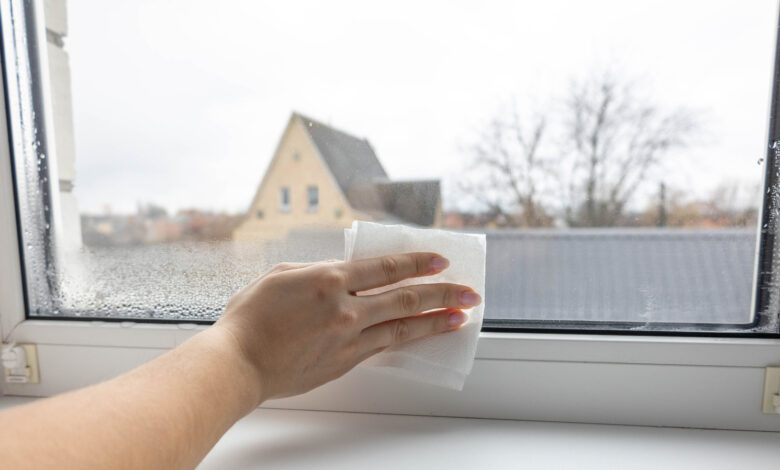
Waking up to glass covered in moisture or finding water pooling along window sills is a common household challenge during colder months. While persistent window condensation can feel like an inevitable consequence of winter weather, it is primarily an indicator of how indoor air, surface temperatures, and home ventilation interact. Left unmanaged, excessive moisture on interior window panes can drip onto surrounding frames and walls, potentially leading to material damage and unsightly damp conditions. Understanding why this condensation forms and implementing targeted structural and habit-based adjustments allows homeowners to address the root causes of indoor moisture build-up effectively.
The Mechanics of Window Condensation
Window condensation occurs due to a straightforward physical process involving relative humidity and surface temperature. Indoor air naturally holds moisture in the form of invisible water vapor. When warm, humid indoor air comes into contact with a surface that is significantly colder—such as a glass window pane exposed to outside winter air—the air immediately adjacent to the glass cools rapidly. Cold air cannot hold as much water vapor as warm air. As its temperature drops toward the dew point, the moisture transitions from a gas into liquid water droplets, forming a layer of fog or standing water on the interior glass surface.
While cold external weather triggers the reaction, the intensity of the condensation depends heavily on the volume of moisture trapped inside the home. Everyday household routines generate substantial amounts of water vapor. Activities such as boiling water, cooking without covers, taking hot showers, running dishwashers, and drying laundry indoors continuously release water into the air. Certain indoor plants also contribute to elevated ambient moisture levels through transpiration. When these localized sources elevate the overall relative humidity within a tightly sealed living space, windows act as the primary surface where that hidden moisture becomes visible.
Source Mitigation and Indoor Humidity Regulation
The most direct way to reduce interior window fogging is to limit unnecessary moisture production and manage ambient indoor humidity. Identifying and addressing major sources of water vapor creates an immediate reduction in the amount of moisture available to condense on cold glass.
Major appliances represent one of the most significant potential moisture sources in a home. In particular, clothes dryers must be verified to vent completely outdoors. If an electric dryer vents internally or has a compromised duct connection, every load of laundry releases gallons of extracted moisture directly into the living environment, drastically elevating humidity levels throughout the structure. Correcting appliance venting is essential before secondary moisture control measures can operate effectively.
For ambient moisture that cannot be eliminated at the source, mechanical dehumidifiers provide an efficient technical solution. A dedicated dehumidifier actively pulls indoor air across refrigerated coils, extracting water vapor and collecting it before the air circulates back into the room. However, maximizing the performance of a dehumidifier requires attention to operational details:
- Sizing the Unit Correctly: An undersized dehumidifier will run continuously without sufficiently lowering the room’s moisture levels. The unit must match the square footage and moisture load of the specific space.
- Maintaining Enclosed Conditions: While a dehumidifier is actively running, exterior windows and exterior doors should remain completely closed. Leaving windows open allows humid outdoor air to enter continuously, creating an open loop that prevents the appliance from achieving its target humidity level.
Thermal Management and Window Insulation Performance
Controlling moisture levels addresses only one side of the condensation equation. The surface temperature of the glass pane plays an equally critical role. The warmer the glass remains, the less likely warm indoor air will cool to its dew point upon contact.
Daily window treatment management offers a simple, zero-cost method for elevating glass surface temperatures. During winter, closed drapes, heavy curtains, and window blinds trap a pocket of cold air between the fabric and the glass pane. Because this isolated air pocket receives little heat from the home’s heating system, the interior glass temperature drops significantly. Retracting blinds and opening curtains during daytime hours allows warm room air to circulate directly against the glass, raising its surface temperature and dissipating stagnant cold air zones.
The physical structure of the window itself heavily influences condensation risks. Single-pane windows offer minimal resistance to outdoor temperatures, meaning the interior surface quickly matches cold exterior conditions. In contrast, modern double-pane or triple-pane windows utilize sealed air or gas spaces between the glass layers, creating a thermal barrier that keeps the inner pane much closer to room temperature. If windows consistently fog over despite controlled indoor humidity, poor thermal insulation or failing window seals may be present. While upgrading to high-efficiency multi-pane windows represents a major long-term structural improvement, homeowners maintaining existing units should apply proper insulating seals or thermal film treatments, avoiding incorrect sealing materials that can trap moisture against wooden frames.
Optimizing Air Circulation in High-Moisture Zones
Stagnant air allows pockets of high humidity to collect near cold exterior walls and windows, exacerbating moisture condensation. Improving continuous airflow throughout the home breaks up these concentrated vapor pockets, distributing moisture more evenly so it can be handled by main ventilation systems.
Targeted mechanical extraction is especially critical in high-moisture utility areas like bathrooms and kitchens. Running exhaust fans during and after showering or cooking extracts saturated air at the point of origin, preventing it from migrating into adjacent bedrooms or living spaces where it would settle on cold window panes. Beyond protecting glass, consistent bathroom ventilation reduces ambient humidity levels that contribute to unwanted surface staining and dampness on nearby fixtures.
Comparing Condensation Control Strategies
Effectively addressing window moisture requires balancing short-term interventions with long-term structural maintenance. The table below outlines how common moisture management strategies function across different home systems:
| Strategy Area | Primary Action | Operational Impact |
|---|---|---|
| Humidity Regulation | Deploy appropriately sized mechanical dehumidifiers | Extracts excess airborne vapor in enclosed spaces to maintain lower overall relative humidity. |
| Appliance Maintenance | Verify clothes dryers vent directly to the exterior | Prevents large volumes of evaporated laundry water from entering internal living areas. |
| Thermal Management | Open daytime window blinds and drapes | Eliminates trapped cold air pockets, allowing room heat to raise the glass surface temperature. |
| Structural Glazing | Upgrade to double- or triple-pane insulated windows | Provides an insulating gas buffer that keeps interior glass panes warm against exterior cold. |
| Spot Extraction | Operate dedicated exhaust fans in kitchens and baths | Removes high-density steam at the source before moisture migrates to cold window surfaces. |
Building an Integrated Approach to Household Moisture
No single tactic entirely prevents window condensation in every climate condition. Instead, the most successful approach combines humidity reduction at the source, consistent room ventilation, and thermal surface care. By systematically identifying where excess water vapor originates—whether from unvented appliances, daily household activities, or poor local air circulation—homeowners can take targeted actions to stabilize indoor environmental conditions. Maintaining balanced interior humidity alongside warmer window surfaces preserves window frames, improves indoor clarity, and ensures a drier, more comfortable home environment throughout the changing seasons.