Why the Curtain Hem Is the Defining Detail of High-Quality Window Treatments
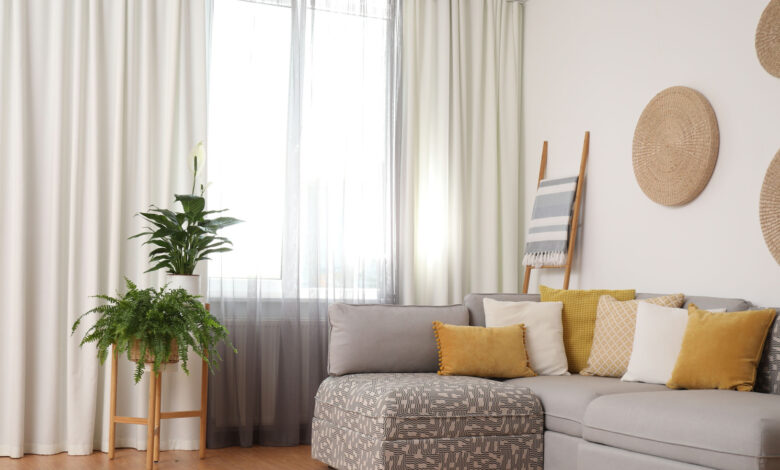
Window coverings play a pivotal role in shaping the visual atmosphere of a home. Whether selecting breathable linens for a relaxed aesthetic, crisp cottons for a classic modern aesthetic, or heavy velvet drapes to create a dramatic sense of depth, curtains instantly introduce color, texture, and architectural balance to a space. They are also uniquely versatile across budgets, accommodating everything from bespoke luxury textiles to affordable online finds elevated by custom DIY tie-backs.
Yet, despite careful attention to fabric patterns and hardware selection, many window installations fall short of their visual potential due to a single overlooked element: the hem. The treatment of a curtain’s lower edge dictates how the fabric responds to gravity, how it handles daily light exposure, and whether the finished panel looks thoughtfully tailored or unrefined. Understanding the structural and visual function of the hem allows homeowners to elevate even budget-friendly window treatments into sophisticated design statements.
The Practical and Structural Importance of a Proper Hem
While the upper header of a curtain dictates how it attaches to a rod, the bottom hem serves as the structural foundation for how the fabric hangs. Without a well-executed hem, textiles naturally tend to flare, curl, or bow inward along the vertical edges. Folding and sewing the bottom margin adds physical mass to the base, creating downward tension that encourages clean, vertical folds throughout the entire length of the panel.
Beyond aesthetic alignment, a properly crafted hem fulfills several essential practical functions within a room:
- Uniform Fabric Drape: By establishing a continuous, weighted baseline, a hem ensures that drapery falls evenly from corner to corner, preserving consistent spacing across the window frame.
- Light Control and Anchoring: In spaces where light management is critical, such as bedrooms utilizing blackout drapes, a weighted lower margin keeps the textile resting flush against the wall or trim, minimizing light leakage around the bottom edge.
- Long-Term Durability: Raw textile edges exposed to floor contact, foot traffic, or routine vacuuming quickly suffer from fraying and structural fatigue. Folding and sealing the edge protects the underlying fibers from premature wear.
Matching Hem Techniques to Drapery Fabrics
Different textiles possess unique weights, weaves, and structural tendencies. As a result, choosing the correct hem technique requires matching the mechanical properties of the fabric with the intended design outcome.
Deep Weighted Hems for Heavy Drapes
Thicker materials, such as velvet, dense woven blends, or multi-layered blackout panels, require substantial anchorage to maintain their form. For these heavy window coverings, a deeper hem fold provides necessary structure. Integrating small drapery weights directly into the bottom corners or seam folds ensures that the fabric resists movement from minor indoor air currents. This approach allows full-length drapes to fall with strict geometric precision or gather cleanly in a traditional floor puddle without losing their shape.
Blind Stitching for Delicate and Synthetic Textiles
Lighter fabrics, including sheer linens and budget-conscious polyester textiles, require a delicate touch. Heavy topstitching on lightweight or smooth synthetic surfaces can cause puckering, creating unwanted horizontal lines across the bottom of the panel. A blind stitch hem solves this challenge by securing the folded edge with nearly invisible thread catches. This technique preserves the smooth surface of the panel while establishing a clean, unobtrusive baseline.
The Double-Fold Hem as a Universal Standard
For standard medium-weight materials such as casual cottons and linen blends, the classic double-folded hem remains the industry standard. By tucking the raw fabric edge completely inside a double fold before stitching, this method conceals raw fibers, adds moderate baseline weight, and delivers a timeless finish suitable for almost any residential setting.
Comparing Drapery Hem Construction Methods
| Hem Style | Ideal Fabric Types | Visual Characteristic | Primary Functional Benefit |
|---|---|---|---|
| Deep Weighted Hem | Velvet, heavy wovens, blackout drapes | Formal, structured, tailored silhouette | Anchors thick panels, reduces motion, and blocks light leakage |
| Blind Stitch Hem | Polyester, sheer materials, lightweight textiles | Seamless, invisible hemline from the front | Prevents stitch puckering while securing delicate textiles |
| Double-Fold Hem | Cotton blends, standard linens, medium weaves | Clean, traditional, double-finished edge | Provides balanced baseline weight and prevents edge fraying |
| Decorative Custom Hem | Custom textiles, accent cottons, casual panels | Distinctive border, contrasting trim, or DIY finish | Allows customized panel lengths and personalized style details |
Planning and Executing the Perfect Baseline
Achieving a flawless window treatment requires strategic planning before making alterations or finalizing a purchase. The choice between purchasing pre-hemmed panels, undertaking a DIY project, or hiring professional tailoring depends on the specific demands of the room and the selected fabric.
For off-the-shelf and online curtain purchases, precise measurement is essential. Measuring accurately from the hanging rod down to the exact floor plane ensures that pre-hemmed panels sit at the intended height. Panels that are slightly too short hover awkwardly above the baseboards, creating a disconnected appearance, while overly long panels can gather untidily if they were not designed to puddle intentionality.
When altering existing drapes or working with custom textiles, homeowners can choose from several execution paths. Those seeking a quick solution without machine sewing can utilize heat-activated fusible hem tapes to establish a crisp, ironed lower edge. Meanwhile, professional alterations or careful hand-stitching offer long-lasting stability, particularly for high-use window treatments or specialized fabrications. By prioritizing the construction and proportion of the curtain hem, any window covering can be transformed into a polished, high-end feature that completes the design of the room.