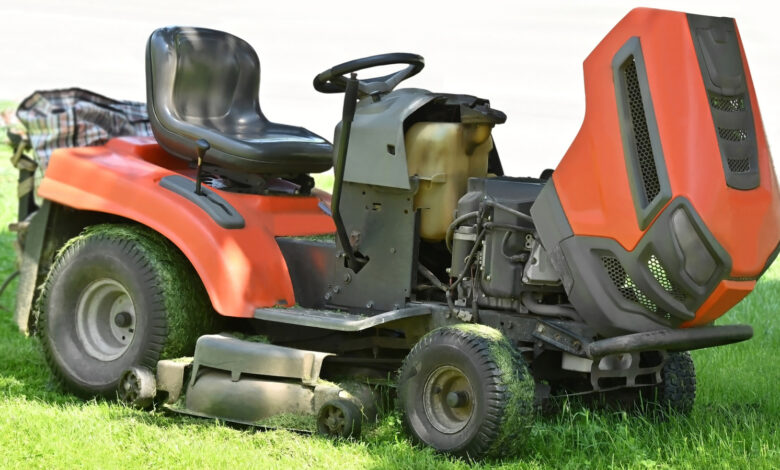
Riding Lawn Mower Cleaning Guide: Safe Washing Techniques for Gas and Battery Models
Maintaining a riding lawn mower requires more than periodically changing the engine oil, sharpening the cutting blades, and replacing the air filter. Routine hygiene plays a critical role in preserving the structural and operational integrity of the machine. Accumulated grass clippings, damp mud, and fine dust create a microenvironment under the deck and across the frame that accelerates component stress and promotes premature wear. While some equipment manufacturers advise clearing away debris before and after every mowing session, operators often struggle with the safest way to remove stubborn buildup without inadvertently damaging vital mechanical or electrical systems.
A standard garden hose or pressure washer can be an effective tool for maintaining a clean mower, but using water on outdoor power equipment carries inherent risks. Indiscriminate spraying can force water into sensitive electrical connections, saturate engine air intakes, or trigger electronic malfunctions in modern electric models. Understanding how to adapt your washing technique based on the machine’s power source and specific component design is essential for protecting your investment.
Essential Pre-Cleaning Safety and Preparation Protocol
Before introducing water or cleaning tools to a riding lawn mower, proper mechanical setup is necessary to prevent injury and avoid equipment damage. Preparing the mower correctly creates a controlled environment for maintenance and makes the cleaning process far more effective.
- Select a suitable workspace: Park the riding mower on a flat, level surface, ideally on a concrete driveway or garage apron. Avoid washing the machine over sensitive turf where concentrated grease, wet debris, or heavy runoff might ruin the grass.
- Manage component temperatures: Allow the engine and exhaust system to cool down after use. Spraying cold water directly onto hot engine blocks or exhaust manifolds can lead to thermal shock, potentially cracking metal housings. However, do not leave the machine uncleaned for too long; fresh grass clippings contain moisture and natural sugars that harden like concrete against the steel deck as they dry.
- Perform a dry preliminary sweep: Before applying any water, use a dry stiff-bristles brush, broom, or leaf blower to clear away loose grass, leaves, and surface dust from the upper deck, operator platform, and footwells. Removing loose matter dry prevents creating excess sludge once water is introduced.
Washing Gas-Powered Riding Mowers: Safe Zones and High-Risk Areas
Gas-powered riding mowers feature heavy-gauge steel construction designed to withstand tough outdoor environments, making their chassis and cutting decks resilient against water exposure. A standard garden hose can be used safely to wash down the exterior body, frame, and tires, provided water is directed away from vulnerable mechanical hubs.
Directing pressurized water toward the engine compartment poses substantial risk. Water entering the air filter can saturate the paper element, restricting airflow and drawing moisture directly into the carburetor or intake tract. Similarly, water surrounding the spark plug boot, ignition socket, oil fill tube, or battery terminals can cause misfires, electrical shorts, or oil contamination. When cleaning areas near the engine block and electrical harness, refrain from spraying water. Instead, utilize a hand brush, dry shop towel, or leaf blower to dislodge dirt and oily grime.
If you intend to use a high-pressure washer on a gas mower, always consult the manufacturer’s operational guidelines first, as several brands explicitly prohibit power washing due to seal degradation concerns. When permitted, pressure washing should be reserved primarily for the underside of the mower deck and the cutting blades after the machine has been safely elevated and secured. High-pressure streams should never be aimed directly at bearing seals, pulleys, wiring looms, or engine cowlings, as the forced spray can bypass rubber seals and displace necessary lubricants.
Cleaning Battery-Powered Riding Mowers: Preventing Moisture Damage
Electric and battery-powered riding mowers require a far more cautious approach to cleaning. Unlike their gas-powered counterparts, electric models rely on complex electronic control modules, sensitive wiring buses, and high-capacity battery enclosures that can be easily compromised by pressurized liquids.
As a general rule, direct streams of water from a garden hose or pressure washer should never be applied to the main body, seating platform, or battery compartment of an electric riding mower. Introducing forced moisture into these zones can cause short circuits, corrode sensitive terminal pins, or trigger system fault codes that render the mower inoperable.
To safely clean the body and top surface of a battery-powered mower, use a dry soft brush, a leaf blower, or a slightly damp microfiber towel to wipe away dust and light grime while carefully avoiding the battery bay. Washing the underside of the cutting deck with a hose is typically permissible only under strict manufacturer conditions. Many battery-powered units feature a dedicated “service mode” that electronically isolates the drive system and safety interlocks, allowing operators to safely tilt or access the deck for targeted water rinsing without energizing electrical circuits.
Utilizing the Mower Deck Washout Port
Many contemporary riding mowers come equipped with a specialized deck washout port—a dedicated hose connection located on the top or side of the cutting deck. This feature simplifies underside deck maintenance by using the kinetic energy of the spinning blades to distribute water across the interior surface of the deck housing.
To operate the washout port effectively and safely, follow a standardized procedure immediately after completing a mowing session:
First, park the mower on a level patch of grass or a suitable driveway area. Because the washout process generates a significant spray of water, dirt, and shredded grass, position the machine so that the discharge chute faces away from homes, parked vehicles, glass structures, and walkways. Connect your garden hose to the deck’s washout fitting using the quick-disconnect adapter or threaded nozzle, ensuring a tight seal, and turn the water spigot on completely.
Mount the operator seat, start the engine, and set the deck height according to your owner’s manual instructions—several manufacturers specify lowering the deck fully to maximize water containment. With the water flowing, engage the power take-off (PTO) switch to spin the cutting blades. The high-speed rotation of the blades catches the incoming stream of water, violently churning it across the underside of the deck to blast away fresh, soft grass accumulation before it adheres to the metal. Allow the blades to run with the water on until the discharge coming from beneath the deck runs clear. Once clean, disengage the blades, shut down the engine, turn off the water supply, and disconnect the hose.
It is important to remember that a deck washout port is designed strictly to clean the interior chamber of the cutting deck. It will not remove wet grass stuck to the topside of the mower deck, drive belts, steering linkages, or tires. Those areas must be cleaned separately using appropriate manual methods.
Riding Mower Cleaning Protocol Comparison
The operational guidelines for washing different parts of a riding lawn mower vary based on the propulsion system and component sensitivity. The table below outlines the recommended cleaning tools and methods for key areas across both gas and battery-powered machines.
| Mower Component | Gas-Powered Mower Protocol | Battery-Powered Mower Protocol |
|---|---|---|
| Upper Body & Frame | Low-pressure garden hose rinse or dry brush sweep | Damp microfiber cloth, dry brush, or leaf blower only |
| Engine / Electronics Compartment | Dry brush or leaf blower; strictly avoid direct hose spray | Dry brush or soft cloth; keep completely dry at all times |
| Underside of Cutting Deck | Garden hose, pressure washer (if permitted), or deck port | Garden hose or deck port only while set in Service Mode |
| Tires & Wheel Rims | Standard garden hose rinse and stiff scrub brush | Standard garden hose rinse avoiding wheel hub electronics |
Long-Term Maintenance Considerations
Integrating safe cleaning practices into your broader lawn mower maintenance schedule ensures that structural components remain free from rust and mechanical linkages move without restriction. While water is a powerful tool for removing heavy, compacted debris, controlled application is vital. Always prioritize dry cleaning methods for sensitive mechanical zones, strictly adhere to manufacturer-specified service modes for electric equipment, and utilize dedicated deck ports immediately after mowing to achieve optimal equipment longevity.