Apple Event Preview: Inside the iPhone Ultra, A20 Pro Silicon, and John Ternus’s Debut
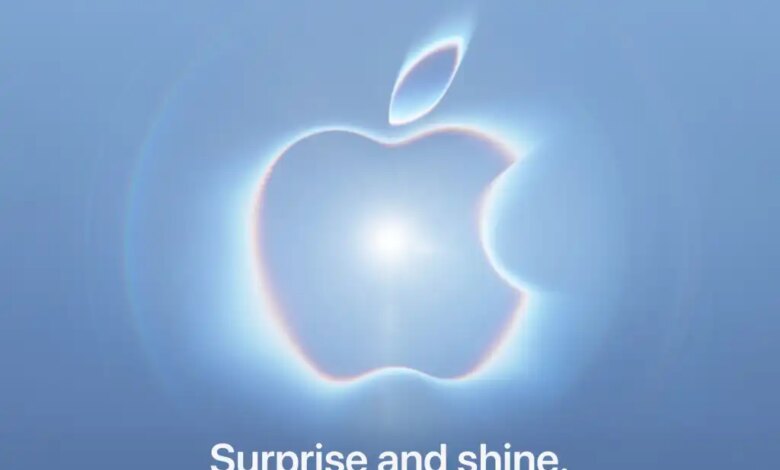
As Apple prepares for its latest major product unveiling, industry attention is fixed not only on the expected hardware announcements, but also on a subtle changing of the guard at the top of the company. The upcoming presentation marks the first Apple Event under incoming Chief Executive Officer John Ternus. Against this backdrop of executive transition, the invitation visual—featuring a bright, luminous composition dominated by deep blue tones—has sparked widespread discussion regarding what technical and aesthetic cues the design might conceal.
While Apple event artwork frequently offers cryptic hints about upcoming product features, interpreting these visual metaphors remains an inexact science. The prevailing blue tone could point toward a signature colorway for the next-generation iPhone 18 Pro series, while the elevated brightness across the artwork may signal significant optical upgrades, particularly in primary camera illumination and dynamic range. Beyond the visual symbolism, the expected hardware roster outlines a strategic mix of steady evolutionary refinement and an ambitious entry into a completely new device category.
The iPhone 18 Pro Series: Variable Aperture and A20 Pro Processing
The standard flagship lineup is anticipated to center on the iPhone 18 Pro and iPhone 18 Pro Max. Visually, these devices are expected to maintain substantial continuity with the outgoing iPhone 17 Pro generation, retaining a similar industrial design and chassis architecture. However, internal hardware modifications and camera advancements appear poised to mark a notable technical step forward.
Central to the performance profile of the iPhone 18 Pro lineup is the introduction of the A20 Pro system-on-chip. Designed to deliver higher computational efficiency and greater graphical throughput, the A20 Pro will provide the foundational performance for advanced on-device processing and machine learning operations. Complementing this silicon upgrade is a distinct aesthetic addition: a new Dark Cherry color option, which will join the established palette for the Pro tier.
The primary area of hardware evolution for the Pro series lies within its rear optical assembly. Reports indicate that the primary camera will feature a variable aperture system. In mobile photography, a mechanical variable aperture represents a fundamental shifting point. By allowing physical control over the light gathering area of the lens, the camera can dynamically adjust to extreme low-light environments while offering natural physical depth of field rather than relying entirely on synthetic software blur. This mechanical flexibility directly addresses traditional trade-offs in mobile imaging, allowing for sharper landscape shots when stopped down and improved light capture when opened wide.
The iPhone Ultra: Apple’s High-Stakes Entry into Foldables
The most anticipated announcement of the event is the long-rumored debut of Apple’s first foldable smartphone, expected to bear the premium “iPhone Ultra” moniker. Rather than adopting the narrow, elongated aspect ratios favored by some competing foldable devices, the iPhone Ultra is reported to feature an unusually wide “passport” proportion when closed. This distinct form factor emphasizes horizontal screen real estate, potentially offering a more natural reading and multitasking layout when unfolded.
Despite its innovative physical transformation, the device involves several notable hardware trade-offs and structural departures from traditional iPhone designs:
- Biometric Authentication Shift: In a clear break from flagship iPhone standards, the iPhone Ultra is expected to omit Face ID in favor of a newly designed Touch ID button integrated into the device chassis. This transition is likely driven by the internal space constraints inherent in engineering a dual-screen foldable hinge mechanism.
- Camera Configuration: Rather than adopting the triple-camera setup found on Pro-level devices, the Ultra is rumored to carry a dual-camera system consisting of a standard wide lens and a telephoto module, omitting an ultra-wide sensor.
- Top-Tier Silicon: Powering the folding form factor will be the same high-performance A20 Pro processor found in the traditional Pro lineup, ensuring parity in raw computing power.
With an anticipated price point starting at $2,000 or higher, the iPhone Ultra will represent the most expensive mainstream smartphone in Apple’s history. Consequently, the commercial viability of the Ultra will depend heavily on its software ecosystem. While hardware innovation provides the foundation, specialized interface capabilities, multitasking workflows, and tailored software experiences will ultimately dictate whether consumers view the substantial price premium as justified.
Apple Watch Series 12 and Ultra 4: Evolutionary Refinement
Alongside the flagship smartphone lineup, Apple is expected to maintain its traditional cadence of annual wearable refreshes with the introduction of the Apple Watch Series 12 and potentially the Apple Watch Ultra 4. However, unlike previous hardware cycles that introduced significant visual redesigns or chassis overhauls, this year’s wearable updates appear focused primarily on internal polish and efficiency.
Both the Series 12 and the Ultra 4 are slated to receive updated processing units designed to deliver modest performance enhancements and optimized power efficiency. Aside from these internal chip upgrades, major physical design alterations are not anticipated. Furthermore, highly anticipated health tracking technologies—such as non-invasive blood glucose monitoring—remain absent from this hardware generation, indicating that complex sensor integrations continue to face developmental or regulatory timelines.
Strategic Portfolio Breakdown
The projected announcements reflect a distinct segmentation strategy across Apple’s hardware portfolio. While the core iPhone and Apple Watch lines follow predictable evolutionary paths, the introduction of an ultra-premium foldable tier establishes a new high-water mark for hardware pricing and operational complexity.
| Device Model | Market Positioning | Key Hardware Features | Expected Price Tier |
|---|---|---|---|
| iPhone 18 Pro / Max | Flagship Performance | A20 Pro chip, variable aperture main camera, Dark Cherry finish | Standard Flagship Tier |
| iPhone Ultra | Ultra-Premium Foldable | Passport-style folding design, A20 Pro chip, Touch ID button, dual-camera system | $2,000 or higher |
| Apple Watch Series 12 | Mainstream Wearable | Minor processor performance boost, evolutionary chassis design | Standard Series Tier |
| Apple Watch Ultra 4 | Rugged High-End Wearable | Incremental chip upgrade, stable industrial design | Standard Ultra Tier |
This comparative landscape underscores how Apple is balancing risk across its product ecosystem. By keeping the high-volume iPhone 18 Pro and Apple Watch Series 12 grounded in mature, reliable manufacturing processes, the company generates the operational stability needed to pioneer an expensive, high-risk form factor like the iPhone Ultra.
Navigating Executive Transition and Market Expectations
The timing of this event carries broader corporate significance beyond individual device specifications. Operating under the leadership of John Ternus, Apple must demonstrate that its product innovation engine remains vibrant while managing increasingly complex supply chains and technical engineering hurdles. Introducing a new product category like a foldable device during a chief executive transition signals confidence in the company’s multi-year hardware pipeline.
The success of this launch cycle will ultimately be measured by how effectively Apple executes across two distinct fronts: providing enough camera and processor performance gains to motivate routine upgrades among existing Pro users, while establishing a convincing software narrative for the novel $2,000 iPhone Ultra. As hardware specs converge across the industry, the integration of advanced optics, custom silicon, and specialized form-factor software remains Apple’s primary lever for maintaining its premium position in the global market.