Essential September Home and Garden Checklist: Preparing Your Property for Autumn
September represents a pivotal transition period for property owners. As summer warmth gradually yields to cooler autumn air, home maintenance priorities shift from active seasonal enjoyment to property preservation and winter readiness. Taking a proactive approach during this month pays double dividends: it helps protect structural investments against harsh winter weather while laying the groundwork for a healthier, more vibrant outdoor space when spring arrives.
Executing an autumn prep strategy requires balancing immediate indoor mechanical maintenance with long-term garden planning. While many September tasks do not deliver instant aesthetic rewards, addressing heating systems, outdoor turf, garden beds, and building exteriors now prevents emergency repairs later and ensures a seamless transition into the colder months.
Optimizing Indoor Systems and Appliance Upgrades
Indoor preparation in September centers on climate control reliability and strategic purchasing. As household heating demands near, addressing furnace maintenance early avoids the high costs and long wait times associated with peak-season emergency repairs.
Furnace Servicing and Filter Replacement
Before the first sudden drop in temperature, home heating systems require a thorough operational review. Dust accumulated during dormant summer months can impair system efficiency and compromise indoor air quality. Servicing should begin with basic visual and physical checks:
- Filter Inspection: Replace clogged furnace filters to ensure optimal airflow and reduce strain on the blower motor.
- Dust Removal: Carefully vacuum excess dust and debris from around the furnace burner and blower compartment.
- Pilot Light Check: Confirm that the pilot light or electronic ignition system operates properly and burns with a clean flame.
Identifying minor mechanical issues during early autumn allows ample time to schedule a qualified technician before HVAC service providers experience heavy winter demand.
Capitalizing on Seasonal Appliance Discounts
For homeowners planning major kitchen or laundry upgrades, September presents one of the most advantageous purchasing windows of the year. Appliance manufacturers typically unveil their latest product lines in early autumn. Consequently, retailers offer substantial promotional discounts on previous-year models to clear inventory space.
Upgrading appliances during this transition offers a balance between acquiring reliable modern technology—such as updated ranges, ovens, or refrigeration units—and minimizing capital expenditure. Researching established kitchen appliance brands in advance ensures that discounted purchases still align with long-term performance expectations.
Strategic Fall Lawn Care and Soil Nutrition
Autumn conditions provide ideal environment for turf grass management. Cooler ambient temperatures combined with late-summer soil warmth create optimal conditions for grass root development without the stress of midsummer heat waves.
Mulching Organic Matter Into Turf
Rather than removing fallen leaves via labor-intensive raking or leaf blowing, property owners can turn autumn foliage into a natural soil conditioner. Passing over fallen leaves with a mulching lawn mower chops the organic matter into fine fragments that decompose quickly between grass blades.
This process returns essential nitrogen and organic carbon directly to the soil, nourishing the turf root system throughout the dormant winter period. Excess leaves that exceed the lawn’s capacity to absorb should be diverted to compost bins, generating nutrient-rich humic material for future gardening seasons.
Selecting Between Seed and Sod for Cold-Weather Grasses
Early September is the prime window for establishing cold-weather grass varieties. Lower temperatures reduce water evaporation rates while sunny days sustain photosynthetic activity. Homeowners looking to repair bare patches or establish new lawn areas must weigh the operational trade-offs between overseeding and laying sod.
| Establishment Method | Cost Profile | Maintenance Requirements | Best Structural Application |
|---|---|---|---|
| Grass Seed | Lower initial financial investment | Requires diligent early care and moisture management | Flat terrain and general lawn overseeding |
| Turf Sod | Higher initial material cost | Requires heavy watering while roots take hold | Slopes, embankments, and erosion-prone zones |
While seed offers a cost-effective option for large areas, it demands consistent surface moisture to germinate. Conversely, sod provides immediate soil cover and erosion prevention on sloped ground, though its establishment relies heavily on deep watering until root integration occurs.
Power Equipment Winterization and Storage
Proper maintenance of outdoor power equipment at the end of the cutting season prevents costly engine repairs when spring operations resume. Storing lawn mowers, string trimmers, and leaf blowers with untreated fuel in their tanks is a leading cause of carburetor failure.
Before placing power tools into winter storage, execute the following protective measures:
- Debris Clearing: Thoroughly scrape away accumulated grass clippings, mud, and organic debris from mower decks and undercarriages to prevent rust and corrosion.
- Fuel Management: Drain remaining gasoline from the fuel tank and run the engine until it stops, ensuring the carburetor is empty. Stagnant gasoline degrades over time, leaving varnish deposits that obstruct narrow fuel passages.
- Mechanical Inspection: Inspect cutting blades, spark plugs, and air filters, replacing or sharpening components as needed before storage.
Garden Preservation and Spring Bulb Preparation
Late-season garden care requires a dual focus: harvesting genetic material from dying summer plants and planting spring-blooming perennials before the ground freezes.
Harvesting and Saving Plant Seeds
As summer annuals, perennials, and vegetable crops finish their natural lifecycle, collecting mature seeds provides free stock for the next growing season. Seed harvesting procedures vary depending on the plant type:
- Flower Seeds: Allow seed pods to dry on the plant. Cut the seed heads and suspend them upside down inside paper bags in a cool, dry area. Once fully dried, separate the seeds from the remaining husk and chaff before storing.
- Fruit and Vegetable Seeds: Harvest seeds from fully ripe produce. Wash the seeds thoroughly to remove surrounding pulp and sugars that cause mold growth, then spread them in a single layer to dry completely prior to packaging.
Planting Spring-Flowering Bulbs
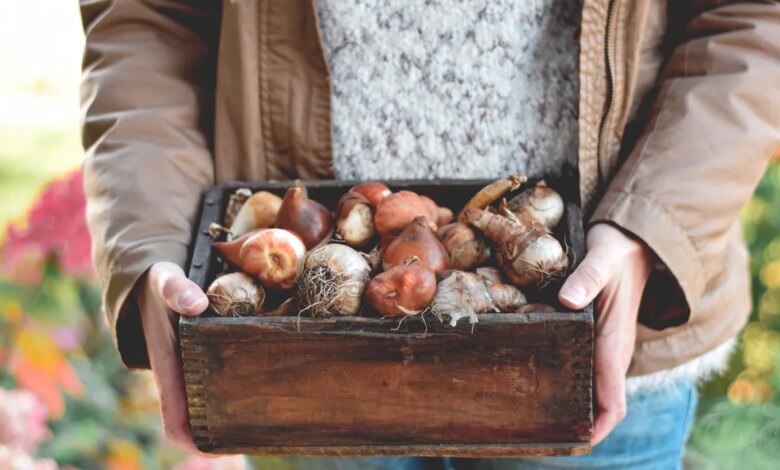
Gardeners in USDA Hardiness Zones 1 through 7 should initiate spring bulb planting during September. Popular species like tulips and daffodils require a chilling period under ground to trigger spring blooms. However, timing is critical: bulbs need several weeks in warm soil to grow a stable root system before the ground freezes solid.
Monitoring extended regional weather forecasts prevents two common failures: planting too late prevents adequate root anchorage, while planting too early during unseasonably warm weather can cause bulbs to sprout prematurely above ground, leaving delicate shoot growth vulnerable to winter frost.
Building Envelope Protection and Exterior Maintenance
Preparing the home’s exterior envelope before severe weather arrives protects structural integrity and reduces winter heat loss. Roofs, drainage channels, and seasonal water features require close evaluation.
Roof Inspections and Gutter Clearing
Winter precipitation subjects residential roofing to severe moisture and ice stresses. A thorough late-summer inspection helps identify structural vulnerabilities before snow accumulation hides them from view:
- Shingle Assessment: Check for loose, cracked, missing, or curling shingles that could allow water penetration during melt cycles.
- Gutter Sanitation: Clear accumulated autumn foliage, twigs, and silt from gutters and downspouts. Unobstructed drainage routes are essential for preventing basement water intrusion and stopping ice dams from forming along roof eaves.
Closing Residential Swimming Pools
For homeowners outside tropical climates, closing swimming pools in September prevents freeze damage to filtration plumbing and maintains water balance over the winter. Proper pool winterization involves a systematic protocol:
- Debris Removal: Thoroughly skim organic floating debris and vacuum the pool floor.
- Chemical Treatment: Shock the water with winterizing sanitizers to prevent algae growth during dormancy.
- Water Level Adjustment: Lower the pool water level below the skimmer line to prevent freezing water from cracking skimmer assemblies and return lines.
- Protective Covering: Secure a durable pool cover tightly across the surface to exclude fall leaves, dirt, and wildlife.
Household Decluttering and Seasonal Strategy
Beyond mechanical and landscape preparation, early autumn provides a natural operational window for decluttering living spaces, garages, and storage sheds. Organizing storage areas creates room for housing outdoor patio furniture, lawn tools, and winter equipment like snowblowers and ice melt.
Hosting an end-of-summer yard sale offers an effective mechanism for liquidating unneeded items, clearing physical space, and generating supplemental household revenue. Position larger, high-value items prominently near the driveway to attract interest, and maintain accessible pricing to ensure inventory liquidates quickly. Alternatively, virtual selling platforms offer a convenient digital path for offloading items without hosting an on-site sale.
By addressing indoor mechanics, turf health, power equipment, garden beds, and building exteriors throughout September, homeowners secure their property against seasonal deterioration while setting up a efficient, well-maintained environment for the coming winter months.